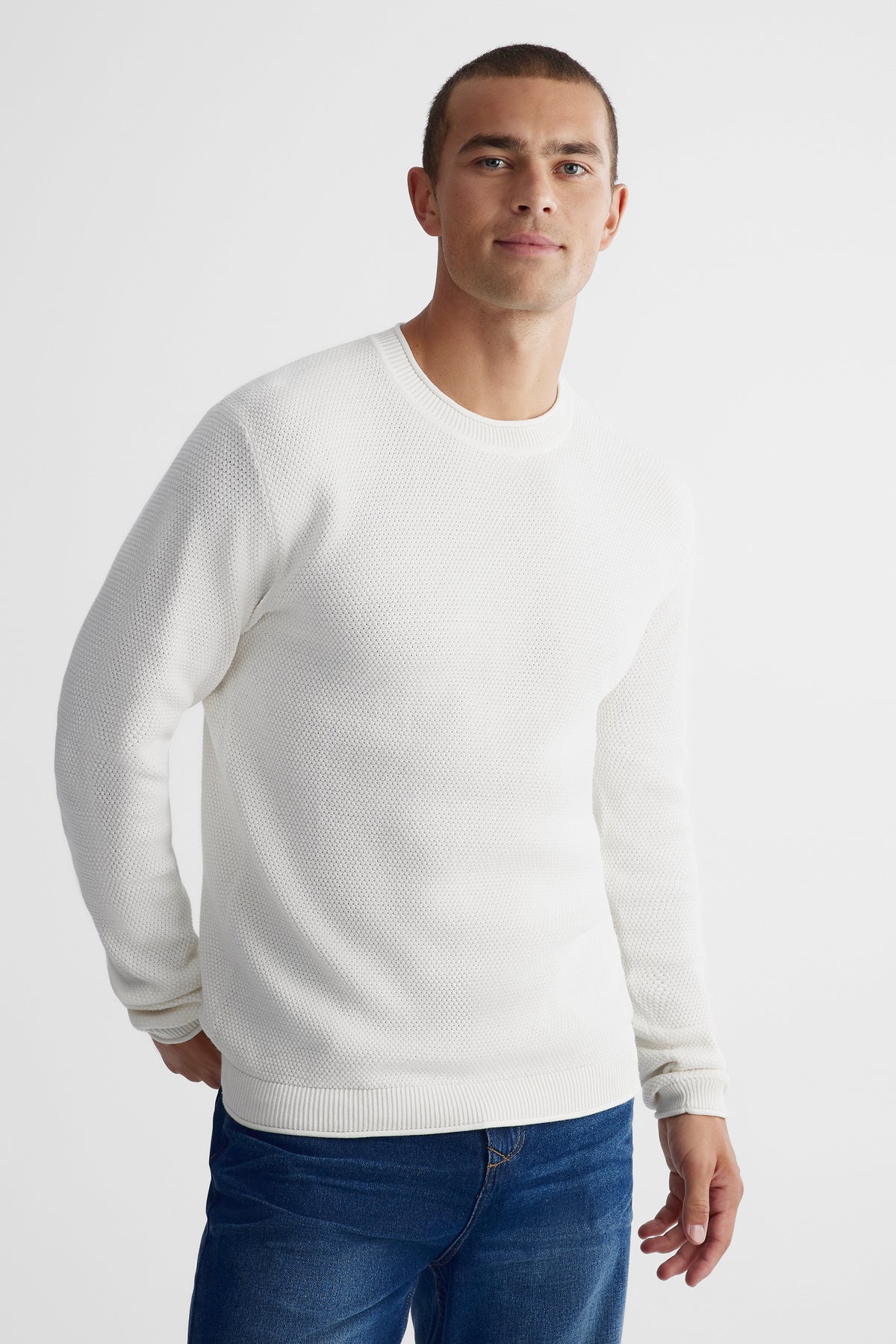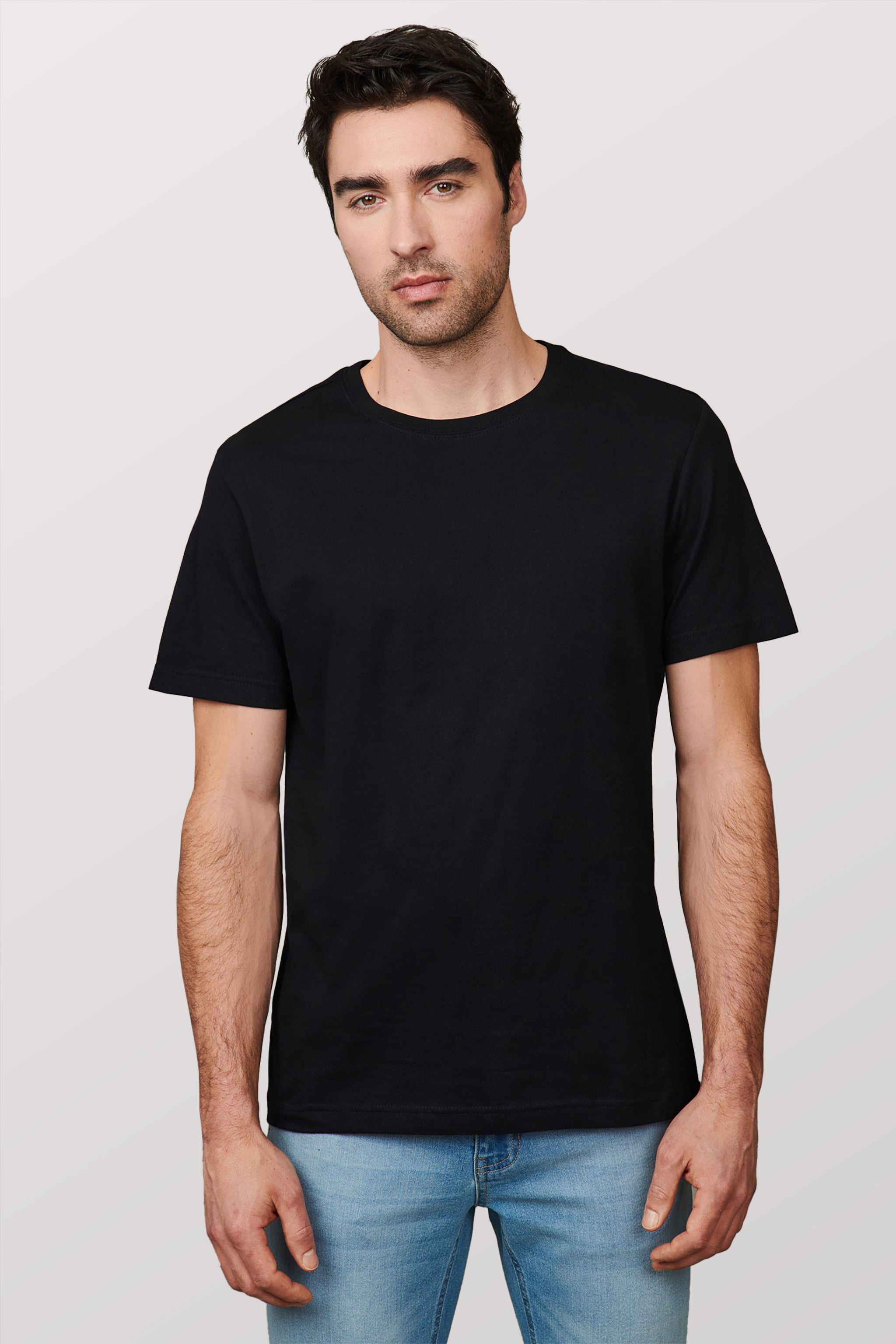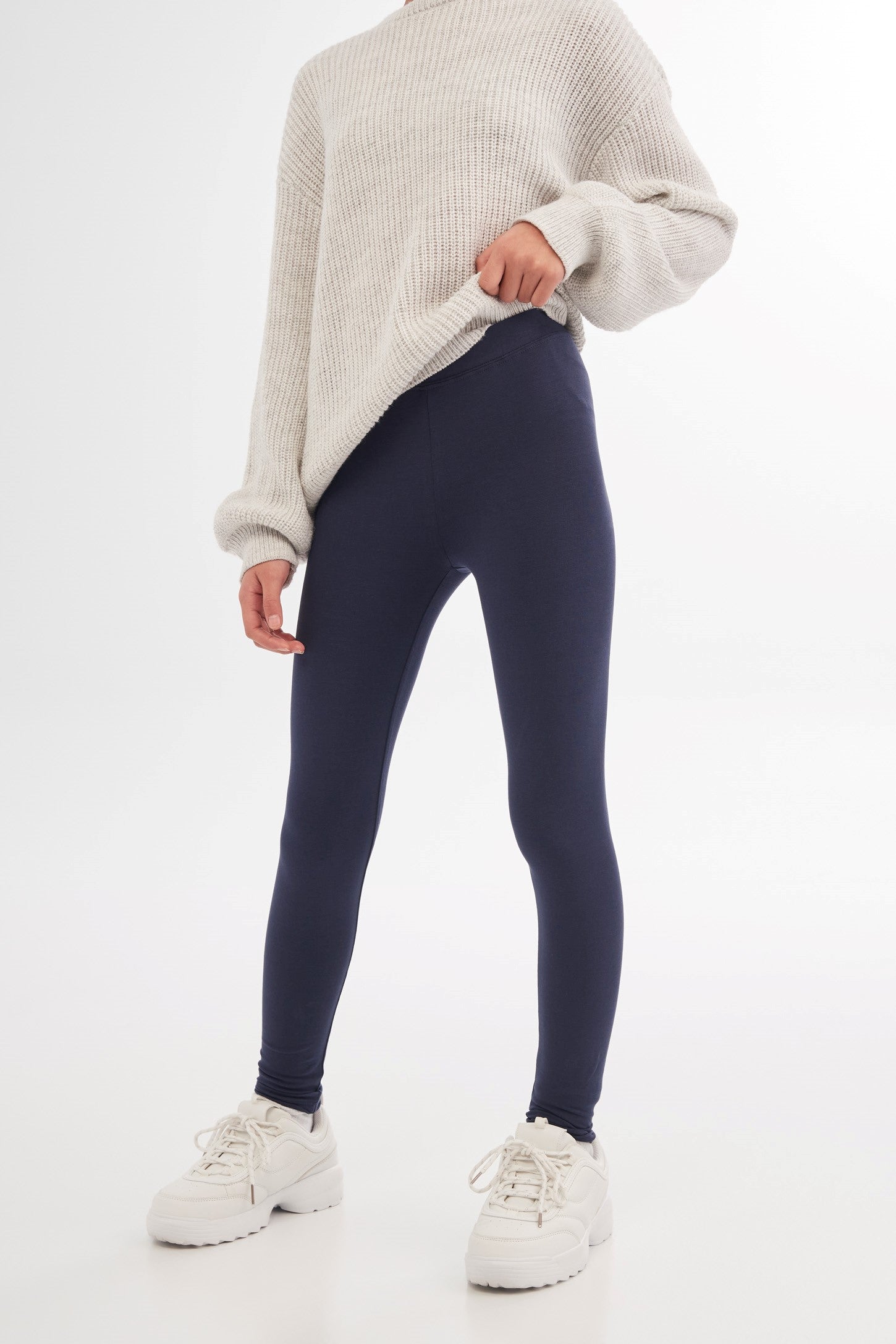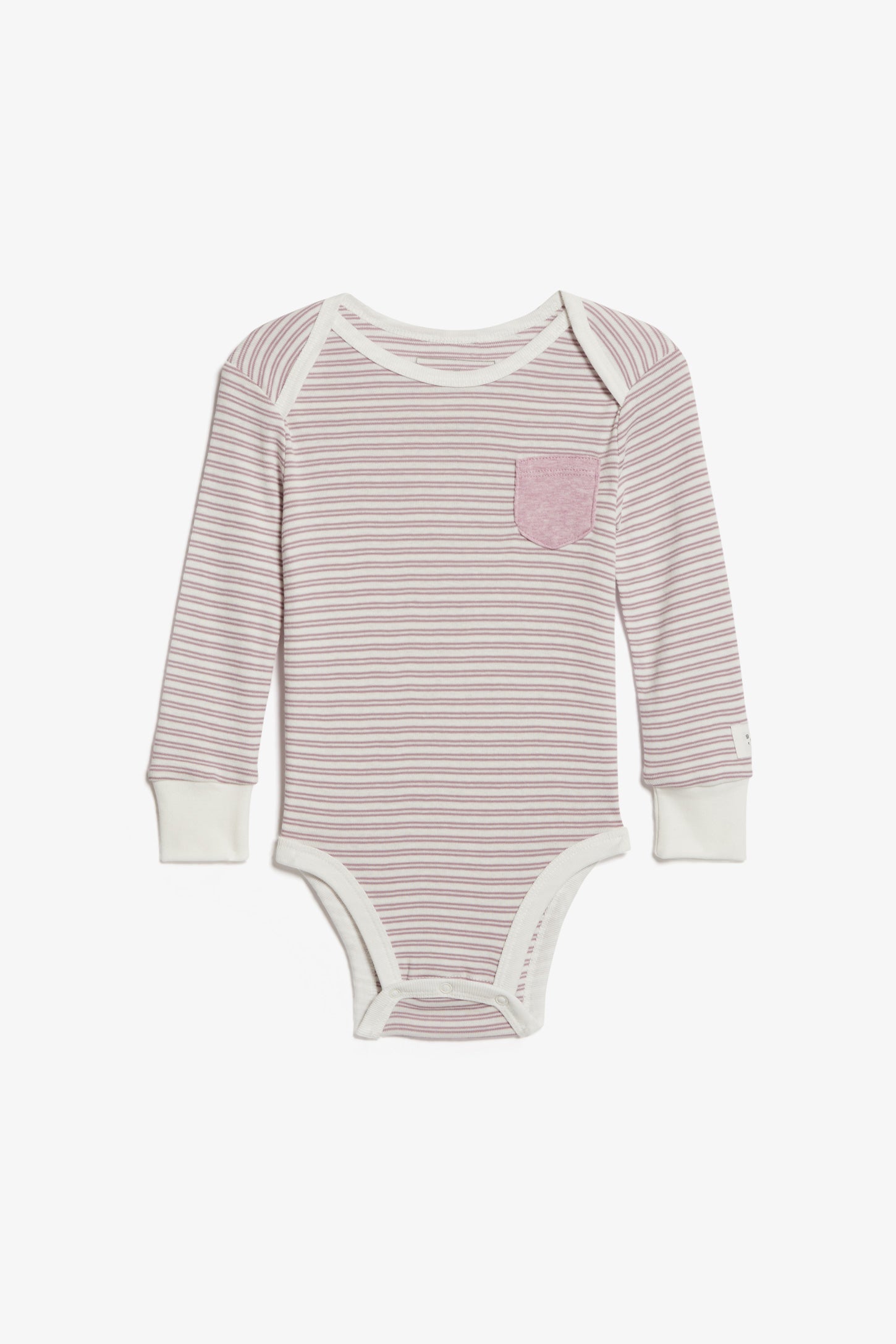
August is around the corner. The list has started.
The T-shirts that are too short. The hoodie that's gone missing. The shoes that didn't survive the summer. And three weeks to sort it all out before the first bell. To get through it, you need a method, not a catalogue. A list, not a style guide. One trip to the store, not fifteen.
Today, we're giving you all three: a simple method to build a back-to-school wardrobe that lasts all year (and beyond), a printable list to check off on a single trip, plus a few extras we've tried and tested for you.
Take a breath. Back-to-school is handled.

The real problem with August
August isn't shopping season. It's the month where everything happens at once.
Three weeks before school starts. Four people in the house. One person handling logistics (you). Of course, there's a budget to stick to, sizes that have changed, a school supply list that arrives at the last minute, and very strong opinions from everyone involved.
The real problem isn't finding a sweater. It's making 36 decisions a day for three weeks straight, with a brain that's already counting lunches, dental appointments, and the next soccer game.
It's called decision fatigue. Every little choice costs mental energy. Multiply that by the number of kids, each clothing category, and every try-on session in front of the mirror.
Here's what most back-to-school guides miss: fewer choices actually means more flexibility. That's exactly the logic behind the method we're sharing.
With nine well-chosen pieces, you can dress a whole week. No morning negotiations, no ending Friday with a stained T-shirt as the only option, no guilt, and no blowing the budget.
That's what handled looks like.
The sudoku method, at a glance
The sudoku method applied to the wardrobe is nine pieces organized into three rows of three, where any combination of one piece per row makes a complete outfit. Grab a light top, some bottoms, and a warm top, and your child is dressed. Every morning. Without thinking.
The idea originally comes from travellers, who call it sudoku packing. The concept? Build a suitcase around three categories of three interchangeable pieces. Result: a full week of looks that fits in a carry-on. We figured the principle was too good to stay in a suitcase. Time to bring it into the back-to-school wardrobe (we knew you'd love it).

The math is simple:
3 × 3 × 3 = 27 combinations.
Nine pieces. A full week, with rotation for the next. Five weeks of school before your child repeats an outfit.
Why it actually works:
- •The colours work together. Pick two or three base tones, and everything mixes and matches.
- •The styles are consistent. No dressy blouse paired with gym joggers (unless that's intentional).
- •Morning decisions disappear. One piece per row, and you're out the door.
The golden rule: choose the palette first, then the pieces. Two neutrals that go with everything (black, navy, grey, or khaki), one colour they love, and you're done. Three shades maximum per child. You won't believe how much time that saves.

The universal grid: babies, kids, teens (and you)
One method, four ways to choose back-to-school clothes by age. The principle doesn't change. The pieces adapt to the lifestyle and the very specific opinions of each person.

For babies and toddlers
The rows simplify. Onesie or T-shirt in row one, warmer top in row two, easy-change bottoms in row three. Triple the quantities, because stains are an art form at this age, but the logic stays the same. Go for forgiving shades. We have baby bundles made exactly for this reality, priced to match how fast they grow.
For kids
- •Row 1 · Hoodie · Knit sweater · Fleece jacket
- •Row 2 · T-shirt · Button-up shirt · Light sweater
- •Row 3 · Jeans · Classic pants · Fleece jogger
Nine pieces, 27 looks, from kindergarten to 6th grade, smooth and simple. Add sneakers and an extra pair of socks for gym days and you're good to go.
For teens
This is where the method really earns its keep. A teen wants autonomy, their colours, their version of things. The grid judges no one. Let them choose the colours, and hold the structure. They pick their outfit in the morning, build their own looks, and feel in control. You become the conductor. Not the fashion police.
For you (because yes, you too)
You've always put yourself last on the list. This year, we're adding you to the grid. An adult capsule: three smart-casual tops, three comfortable tops, three versatile bottoms. Twenty-seven outfits that take you from the office to school pickup without a second thought. Your mission: try not to forget yourself.
DISCOVER BACK-TO-SCHOOL COLLECTION

Your back-to-school list, to print
You don't have to keep it all in your head. Not the sizes, not the quantities, not what was already missing last year. That's the kind of thing a good list handles better than a brain that's been running flat out since June. So we put one together for you, broken down by grade level: three columns to keep it straight (what you have, what to buy, what's handled) and a few tips along the way. One page per child, one pencil, check things off as you go.
Print it, stick it on the fridge, and take back control.

The little things that make a big difference
A solid wardrobe is already a win. But there are three or four details that make back-to-school actually go well. We're including them here, because they matter.
Name labels. Clothes will inevitably end up in the lost and found. It's not a prediction, it's a fact. Order your name labels ahead of time, or just grab a Sharpie and write your child's name. It saves so many headaches.
A change of clothes at daycare or school. The little ones will need it eventually. A T-shirt and pants in a reusable bag, tucked into the cubby. You'll thank yourself later.
The backpack that goes the distance. If last year's bag still holds up, keep it. If it's given up the ghost, take the time to choose one with adjustable straps and a reinforced base. It'll carry ten months of school life without complaint.
Shoes: a category of their own. Three pairs is enough: school shoes, athletic shoes, rain boots. The one tip we really want to pass along: try them on at the end of the day, when feet are slightly swollen. That's when you measure the real size.

The 5-step plan to handle back-to-school in one trip
You have the method, you have your list. Here's how to get it all done in one afternoon.
Step 1 · Print the list. Five minutes. Stick it on the fridge, one copy per child.
Step 2 · Take inventory. Open the drawers. What still fits, what doesn't, what's missing. Cross off what you already have.
Step 3 · Choose the palette. Two neutrals, one colour they love. Three base colours per child, maximum.
Step 4 · One trip. In-store or online, list in hand. Check things off as you go. Aubainerie sets and coordinated looks are made for this: one bundle gives you three pieces that all work together.
Step 5 · Label right away. Take out the clothes, cut the price tags, add the name labels. Put everything away. Close the wardrobe door. Breathe.
Done. (Do you hear the angels singing?)
Frequently asked questions
What is the sudoku method for the wardrobe?
It's a simple method: nine pieces organized into three rows of three (warm tops, light tops, bottoms), where any combination of one piece per row makes a complete outfit. Result: 27 looks from 9 pieces of clothing.
How many clothes does each child need for back-to-school?
The functional minimum: 3 warm tops, 5 light tops, 4 to 5 bottoms, 3 pairs of shoes. Adjust based on after-school activities and gym days.
When should I start back-to-school shopping?
Ideally in the first week of August. The selection is complete, sizes are available, and you avoid the last-minute rush.
How much does a complete back-to-school wardrobe cost at Aubainerie?
Budget around $150 per child for a complete grid, not including shoes. Less with current sales, a little more if you add accessories or brand-name shoes.
Does the sudoku method work for picky teens?
Yes, and often better than with younger kids. Let them choose the palette and the pieces, and hold the structure. The teen feels in control, you stop being the fashion police.
Does everything need to be new?
No. The method works just as well with what's left from last year as it does with new pieces. Take inventory first, fill in the gaps after. That's the whole idea behind a smart wardrobe.
Back-to-school, handled before the first bell
You have the method, the list, the plan. Most importantly, you have permission to keep it simple.
Back-to-school isn't a test to pass. It's three weeks to get through with enough energy to still be standing in September.
Back-to-school, handled. Because making your life simpler is kind of our thing.